1. The Promise of High Energy Laser Weapons . . . . . . . . . . . . . . . . . . . . . . .1
1.1 The Historical Vision . . . . . . . . . . . . . . . . . . . . . . . . . . . . . . . . . . . . . . . . . . . . .1
1.2 Invention of the Laser . . . . . . . . . . . . . . . . . . . . . . . . . . . . . . . . . . . . . . . . . . . .2
1.3 Early High Energy Lasers and Systems . . . . . . . . . . . . . . . . . . . . . . . . . . . . . .7
1.4 President Reagan's Vision . . . . . . . . . . . . . . . . . . . . . . . . . . . . . . . . . . . . . . . . .9
1.5 Laser Weapon Characteristics . . . . . . . . . . . . . . . . . . . . . . . . . . . . . . . . . . . . .10
1.6 Roles and Missions . . . . . . . . . . . . . . . . . . . . . . . . . . . . . . . . . . . . . . . . . . . . .14
1.7 Boost-Phase Ballistic Missile Defense . . . . . . . . . . . . . . . . . . . . . . . . . . . . . .18
1.8 Bibliography . . . . . . . . . . . . . . . . . . . . . . . . . . . . . . . . . . . . . . . . . . . . . . . . . .20
1.9 Problems . . . . . . . . . . . . . . . . . . . . . . . . . . . . . . . . . . . . . . . . . . . . . . . . . . . . .20
2. Fundamentals of Systems Engineering . . . . . . . . . . . . . . . . . . . . . . . . . . .21
2.1 Definition of Systems Engineering . . . . . . . . . . . . . . . . . . . . . . . . . . . . . . . . .21
2.2 The Value of Systems Engineering . . . . . . . . . . . . . . . . . . . . . . . . . . . . . . . . .24
2.3 The Systems Engineering Process . . . . . . . . . . . . . . . . . . . . . . . . . . . . . . . . . .25
2.4 Development Models . . . . . . . . . . . . . . . . . . . . . . . . . . . . . . . . . . . . . . . . . . .27
2.5 Work Breakdown Structures . . . . . . . . . . . . . . . . . . . . . . . . . . . . . . . . . . . . . .30
2.6 Technology Readiness Levels . . . . . . . . . . . . . . . . . . . . . . . . . . . . . . . . . . . . .31
2.7 Modeling and Simulation . . . . . . . . . . . . . . . . . . . . . . . . . . . . . . . . . . . . . . . .32
2.8 Test and Evaluation . . . . . . . . . . . . . . . . . . . . . . . . . . . . . . . . . . . . . . . . . . . . .33
2.9 Cost . . . . . . . . . . . . . . . . . . . . . . . . . . . . . . . . . . . . . . . . . . . . . . . . . . . . . . . . .34
2.10 Risk Management . . . . . . . . . . . . . . . . . . . . . . . . . . . . . . . . . . . . . . . . . . . . . .35
2.11 Summary . . . . . . . . . . . . . . . . . . . . . . . . . . . . . . . . . . . . . . . . . . . . . . . . . . . . .37
2.12 HEL Systems Engineering Example Problem . . . . . . . . . . . . . . . . . . . . . . . . .37
2.13 Bibliography . . . . . . . . . . . . . . . . . . . . . . . . . . . . . . . . . . . . . . . . . . . . . . . . . .41
2.14 Problems . . . . . . . . . . . . . . . . . . . . . . . . . . . . . . . . . . . . . . . . . . . . . . . . . . . . .42
3. The Primer: An Overview of the HEL Weapon . . . . . . . . . . . . . . . . . . . . . .43
3.1 Laser Weapon Performance Metrics . . . . . . . . . . . . . . . . . . . . . . . . . . . . . . . .43
3.2 Laser Lethality . . . . . . . . . . . . . . . . . . . . . . . . . . . . . . . . . . . . . . . . . . . . . . . . .46
3.3 Beam Control . . . . . . . . . . . . . . . . . . . . . . . . . . . . . . . . . . . . . . . . . . . . . . . . .50
3.4 Overview of HEL Devices . . . . . . . . . . . . . . . . . . . . . . . . . . . . . . . . . . . . . . .57
3.5 Transition from the Laboratory to the Battlefield . . . . . . . . . . . . . . . . . . . . . .60
3.6 Bibliography . . . . . . . . . . . . . . . . . . . . . . . . . . . . . . . . . . . . . . . . . . . . . . . . . .61
3.7 Problems . . . . . . . . . . . . . . . . . . . . . . . . . . . . . . . . . . . . . . . . . . . . . . . . . . . . .62
4. Fundamentals of Lasers and Optics . . . . . . . . . . . . . . . . . . . . . . . . . . . . . .63
4.1 The Nature of Light . . . . . . . . . . . . . . . . . . . . . . . . . . . . . . . . . . . . . . . . . . . . .63
4.2 Optics . . . . . . . . . . . . . . . . . . . . . . . . . . . . . . . . . . . . . . . . . . . . . . . . . . . . . . .77
4.2.1 Geometrical Optics . . . . . . . . . . . . . . . . . . . . . . . . . . . . . . . . . . . . . . . .77
4.2.2 Physical/Wave Optics . . . . . . . . . . . . . . . . . . . . . . . . . . . . . . . . . . . . . .82
4.3 Radiometry . . . . . . . . . . . . . . . . . . . . . . . . . . . . . . . . . . . . . . . . . . . . . . . . . . .92
4.4 Laser Fundamentals . . . . . . . . . . . . . . . . . . . . . . . . . . . . . . . . . . . . . . . . . . . . .96
4.4.1 Emission and Absorption Rates . . . . . . . . . . . . . . . . . . . . . . . . . . . . . . .97
4.4.2 Lineshapes . . . . . . . . . . . . . . . . . . . . . . . . . . . . . . . . . . . . . . . . . . . . . . .99
4.4.3 Gain and Threshold . . . . . . . . . . . . . . . . . . . . . . . . . . . . . . . . . . . . . . .101
4.4.4 Laser Pumping and Rate Equations . . . . . . . . . . . . . . . . . . . . . . . . . . .103
4.4.5 Laser Cavity and Power Extraction . . . . . . . . . . . . . . . . . . . . . . . . . . .109
4.4.6 Beams and Resonators . . . . . . . . . . . . . . . . . . . . . . . . . . . . . . . . . . . . .112
4.4.7 Unstable Resonators . . . . . . . . . . . . . . . . . . . . . . . . . . . . . . . . . . . . . . .119
4.5 Bibliography . . . . . . . . . . . . . . . . . . . . . . . . . . . . . . . . . . . . . . . . . . . . . . . . .121
4.6 Problems . . . . . . . . . . . . . . . . . . . . . . . . . . . . . . . . . . . . . . . . . . . . . . . . . . . .121
5. Chemical Lasers . . . . . . . . . . . . . . . . . . . . . . . . . . . . . . . . . . . . . . . . . . . . .123
5.1 Introduction . . . . . . . . . . . . . . . . . . . . . . . . . . . . . . . . . . . . . . . . . . . . . . . . . .123
5.2 Chemical Kinetics . . . . . . . . . . . . . . . . . . . . . . . . . . . . . . . . . . . . . . . . . . . . .124
5.3 Fluid Dynamics . . . . . . . . . . . . . . . . . . . . . . . . . . . . . . . . . . . . . . . . . . . . . . .126
5.4 Hydrogen Fluoride and Deuterium Fluoride Lasers . . . . . . . . . . . . . . . . . . .129
5.5 The Chemical Oxygen-Iodine Laser . . . . . . . . . . . . . . . . . . . . . . . . . . . . . . .136
5.6 Laser Engineering of a 100-kW COIL Device . . . . . . . . . . . . . . . . . . . . . . .149
5.6.1 Transition Wavelength . . . . . . . . . . . . . . . . . . . . . . . . . . . . . . . . . . . . .150
5.6.2 Supersonic Nozzle Performance . . . . . . . . . . . . . . . . . . . . . . . . . . . . .152
5.6.3 Flow Rates and Power Available . . . . . . . . . . . . . . . . . . . . . . . . . . . . .153
5.6.4 Cross-Section for Stimulated Emission and Gain . . . . . . . . . . . . . . . .155
5.6.5 The Laser Resonator . . . . . . . . . . . . . . . . . . . . . . . . . . . . . . . . . . . . . .158
5.7 Bibliography . . . . . . . . . . . . . . . . . . . . . . . . . . . . . . . . . . . . . . . . . . . . . . . . .159
5.8 Problems . . . . . . . . . . . . . . . . . . . . . . . . . . . . . . . . . . . . . . . . . . . . . . . . . . . .160
6. Solid-State Lasers . . . . . . . . . . . . . . . . . . . . . . . . . . . . . . . . . . . . . . . . . . . .161
6.1 Flashlamp-Pumped Solid-State Lasers . . . . . . . . . . . . . . . . . . . . . . . . . . . . .161
6.2 Semiconductor Diode Lasers and Diode Pumps . . . . . . . . . . . . . . . . . . . . . .170
6.3 Diode-Pumped Solid-State Lasers . . . . . . . . . . . . . . . . . . . . . . . . . . . . . . . .182
6.4 Joint High Power Solid-State Laser Program . . . . . . . . . . . . . . . . . . . . . . . .187
6.5 High Energy Liquid Laser Area Defense System Program . . . . . . . . . . . . . .190
6.6 Bibliography . . . . . . . . . . . . . . . . . . . . . . . . . . . . . . . . . . . . . . . . . . . . . . . . .191
6.7 Problems . . . . . . . . . . . . . . . . . . . . . . . . . . . . . . . . . . . . . . . . . . . . . . . . . . . .192
7. Free-Electron Lasers . . . . . . . . . . . . . . . . . . . . . . . . . . . . . . . . . . . . . . . . .193
7.1 Introduction . . . . . . . . . . . . . . . . . . . . . . . . . . . . . . . . . . . . . . . . . . . . . . . . . .193
7.2 Component Hardware and Operating Principles . . . . . . . . . . . . . . . . . . . . . .196
7.3 FEL Development for Weapons Applications . . . . . . . . . . . . . . . . . . . . . . . .201
7.4 Bibliography . . . . . . . . . . . . . . . . . . . . . . . . . . . . . . . . . . . . . . . . . . . . . . . . .202
7.5 Problems . . . . . . . . . . . . . . . . . . . . . . . . . . . . . . . . . . . . . . . . . . . . . . . . . . . .202
8. The Atmosphere . . . . . . . . . . . . . . . . . . . . . . . . . . . . . . . . . . . . . . . . . . . . .203
8.1 Introduction . . . . . . . . . . . . . . . . . . . . . . . . . . . . . . . . . . . . . . . . . . . . . . . . . .203
8.2 Atmospheric Structure . . . . . . . . . . . . . . . . . . . . . . . . . . . . . . . . . . . . . . . . . .203
8.3 Atmospheric Effects . . . . . . . . . . . . . . . . . . . . . . . . . . . . . . . . . . . . . . . . . . .209
8.3.1 Absorption and Scattering . . . . . . . . . . . . . . . . . . . . . . . . . . . . . . . . . .209
8.3.2 Turbulence . . . . . . . . . . . . . . . . . . . . . . . . . . . . . . . . . . . . . . . . . . . . . .217
8.4 Summary . . . . . . . . . . . . . . . . . . . . . . . . . . . . . . . . . . . . . . . . . . . . . . . . . . . .231
8.5 Bibliography . . . . . . . . . . . . . . . . . . . . . . . . . . . . . . . . . . . . . . . . . . . . . . . . .231
8.6 Problems . . . . . . . . . . . . . . . . . . . . . . . . . . . . . . . . . . . . . . . . . . . . . . . . . . . .232
9. Beam Control . . . . . . . . . . . . . . . . . . . . . . . . . . . . . . . . . . . . . . . . . . . . . . .233
9.1 Introduction . . . . . . . . . . . . . . . . . . . . . . . . . . . . . . . . . . . . . . . . . . . . . . . . . .233
9.2 Problem Statement . . . . . . . . . . . . . . . . . . . . . . . . . . . . . . . . . . . . . . . . . . . .234
9.3 Laser Weapon Architecture . . . . . . . . . . . . . . . . . . . . . . . . . . . . . . . . . . . . . .235
9.4 Beam Control Hardware . . . . . . . . . . . . . . . . . . . . . . . . . . . . . . . . . . . . . . . .241
9.4.1 Beam Directors . . . . . . . . . . . . . . . . . . . . . . . . . . . . . . . . . . . . . . . . . .242
9.4.2 Tracker and Wavefront Sensor Illuminators . . . . . . . . . . . . . . . . . . . .244
9.4.3 Track Sensors . . . . . . . . . . . . . . . . . . . . . . . . . . . . . . . . . . . . . . . . . . . .248
9.4.4 Track Algorithms . . . . . . . . . . . . . . . . . . . . . . . . . . . . . . . . . . . . . . . . .251
9.4.5 Signal-to-Noise Ratio and Noise-Equivalent Angle . . . . . . . . . . . . . .260
9.4.6 The Inertial Reference Unit . . . . . . . . . . . . . . . . . . . . . . . . . . . . . . . . .264
9.4.7 Fast Steering Mirrors . . . . . . . . . . . . . . . . . . . . . . . . . . . . . . . . . . . . . .269
9.4.8 Beam Walk Mirrors . . . . . . . . . . . . . . . . . . . . . . . . . . . . . . . . . . . . . . .271
9.5 Control Theory for Trackers . . . . . . . . . . . . . . . . . . . . . . . . . . . . . . . . . . . . .273
9.5.1 Models and Control Theory . . . . . . . . . . . . . . . . . . . . . . . . . . . . . . . . .274
9.6 Statistical Design . . . . . . . . . . . . . . . . . . . . . . . . . . . . . . . . . . . . . . . . . . . . . .285
9.7 Adaptive Optics . . . . . . . . . . . . . . . . . . . . . . . . . . . . . . . . . . . . . . . . . . . . . . .291
9.7.1 Adaptive Optics Overview . . . . . . . . . . . . . . . . . . . . . . . . . . . . . . . . . .292
9.7.2 Laser Beacon . . . . . . . . . . . . . . . . . . . . . . . . . . . . . . . . . . . . . . . . . . . .293
9.7.3 Wavefront Sensor . . . . . . . . . . . . . . . . . . . . . . . . . . . . . . . . . . . . . . . . .293
9.7.4 The Reconstructor . . . . . . . . . . . . . . . . . . . . . . . . . . . . . . . . . . . . . . . .294
9.7.5 Deformable Mirrors . . . . . . . . . . . . . . . . . . . . . . . . . . . . . . . . . . . . . . .300
9.7.6 Adaptive Optics Control Loop . . . . . . . . . . . . . . . . . . . . . . . . . . . . . . .302
9.8 Beam Control Summary . . . . . . . . . . . . . . . . . . . . . . . . . . . . . . . . . . . . . . . .304
9.9 Beam Control Performance Modeling . . . . . . . . . . . . . . . . . . . . . . . . . . . . .305
9.10 Rolling Up the Performance Models . . . . . . . . . . . . . . . . . . . . . . . . . . . . . . .317
9.11 Summary of Performance Models . . . . . . . . . . . . . . . . . . . . . . . . . . . . . . . . .321
9.12 Bibliography . . . . . . . . . . . . . . . . . . . . . . . . . . . . . . . . . . . . . . . . . . . . . . . . .321
9.13 Problems . . . . . . . . . . . . . . . . . . . . . . . . . . . . . . . . . . . . . . . . . . . . . . . . . . . .323
10. Lethality . . . . . . . . . . . . . . . . . . . . . . . . . . . . . . . . . . . . . . . . . . . . . . . . . . .325
10.1 Basic Laser Lethality . . . . . . . . . . . . . . . . . . . . . . . . . . . . . . . . . . . . . . . . . . .325
10.2 Laser Material Interactions . . . . . . . . . . . . . . . . . . . . . . . . . . . . . . . . . . . . . .326
10.3 Material Strength . . . . . . . . . . . . . . . . . . . . . . . . . . . . . . . . . . . . . . . . . . . . . .327
10.4 Laser Material Coupling and Heat Transfer . . . . . . . . . . . . . . . . . . . . . . . . .330
10.5 Failure Modes . . . . . . . . . . . . . . . . . . . . . . . . . . . . . . . . . . . . . . . . . . . . . . . .332
10.6 Probabilistic Analysis of Weapon Effectiveness . . . . . . . . . . . . . . . . . . . . . .334
10.7 Bibliography . . . . . . . . . . . . . . . . . . . . . . . . . . . . . . . . . . . . . . . . . . . . . . . . .337
10.8 Problems . . . . . . . . . . . . . . . . . . . . . . . . . . . . . . . . . . . . . . . . . . . . . . . . . . . .338
11. High Energy Laser Weapon Systems . . . . . . . . . . . . . . . . . . . . . . . . . . .339
11.1 The Airborne Laser Laboratory . . . . . . . . . . . . . . . . . . . . . . . . . . . . . . . . . . .339
11.2 The Airborne Laser . . . . . . . . . . . . . . . . . . . . . . . . . . . . . . . . . . . . . . . . . . . .344
11.3 The Tactical High Energy Laser . . . . . . . . . . . . . . . . . . . . . . . . . . . . . . . . . .353
11.4 The Advanced Tactical Laser . . . . . . . . . . . . . . . . . . . . . . . . . . . . . . . . . . . .357
11.5 The Spaced-Based Laser . . . . . . . . . . . . . . . . . . . . . . . . . . . . . . . . . . . . . . . .361
11.6 Bibliography . . . . . . . . . . . . . . . . . . . . . . . . . . . . . . . . . . . . . . . . . . . . . . . . .368
11.7 Problems . . . . . . . . . . . . . . . . . . . . . . . . . . . . . . . . . . . . . . . . . . . . . . . . . . . .368
12. Laser Weapon System Effectiveness . . . . . . . . . . . . . . . . . . . . . . . . . . .369
12.1 Introduction . . . . . . . . . . . . . . . . . . . . . . . . . . . . . . . . . . . . . . . . . . . . . . . . . .369
12.2 A Long-Range, Air-to-Air Engagement . . . . . . . . . . . . . . . . . . . . . . . . . . . .370
12.2.1 The High-Altitude, Air-to-Air, Long-Range Scenario . . . . . . . . . .370
12.2.2 The Threat and Missile Lethal Fluence . . . . . . . . . . . . . . . . . . . . .371
12.2.3 The HELWeapon . . . . . . . . . . . . . . . . . . . . . . . . . . . . . . . . . . . . . .373
12.2.4 The HELWeight Model . . . . . . . . . . . . . . . . . . . . . . . . . . . . . . . . .374
12.2.5 Performance Model Estimate . . . . . . . . . . . . . . . . . . . . . . . . . . . . .375
12.2.6 Diffraction-Limited Weapon System Performance . . . . . . . . . . . . .377
12.2.7 Platform Jitter . . . . . . . . . . . . . . . . . . . . . . . . . . . . . . . . . . . . . . . . .379
12.2.8 Atmospheric Propagation . . . . . . . . . . . . . . . . . . . . . . . . . . . . . . . .379
12.2.9 System Performance Characterization and Adaptive Optics . . . . .382
12.2.10 Weight-Constrained Trade Study . . . . . . . . . . . . . . . . . . . . . . . . . .384
12.2.11 An Example of Risk Assessment . . . . . . . . . . . . . . . . . . . . . . . . . .386
12.3 Short-Range, Air-to-Surface Engagement . . . . . . . . . . . . . . . . . . . . . . . . . . .387
12.3.1 The Low-Altitude, Air-to-Surface, Short-Range Scenario . . . . . . .387
12.3.2 Lethal Fluence . . . . . . . . . . . . . . . . . . . . . . . . . . . . . . . . . . . . . . . . .389
12.3.3 Tactical HELWeapon . . . . . . . . . . . . . . . . . . . . . . . . . . . . . . . . . . .389
12.3.4 HELWeight Models . . . . . . . . . . . . . . . . . . . . . . . . . . . . . . . . . . . .390
12.3.5 Diffraction-Limited Weapon System Performance . . . . . . . . . . . . .391
12.3.6 Beam Quality . . . . . . . . . . . . . . . . . . . . . . . . . . . . . . . . . . . . . . . . .391
12.3.7 Platform Jitter . . . . . . . . . . . . . . . . . . . . . . . . . . . . . . . . . . . . . . . . .392
12.3.8 Central Obscuration . . . . . . . . . . . . . . . . . . . . . . . . . . . . . . . . . . . .392
12.3.9 Atmospheric Propagation . . . . . . . . . . . . . . . . . . . . . . . . . . . . . . . .392
12.3.10 Adaptive Optics . . . . . . . . . . . . . . . . . . . . . . . . . . . . . . . . . . . . . . .394
12.3.11 Aero-Optic Effect . . . . . . . . . . . . . . . . . . . . . . . . . . . . . . . . . . . . . .395
12.3.12 System Performance Characterization . . . . . . . . . . . . . . . . . . . . . .395
12.4 Tools for HEL Engagement Modeling . . . . . . . . . . . . . . . . . . . . . . . . . . . . .395
12.5 Suggested Reading . . . . . . . . . . . . . . . . . . . . . . . . . . . . . . . . . . . . . . . . . . . .398
12.6 Bibliography . . . . . . . . . . . . . . . . . . . . . . . . . . . . . . . . . . . . . . . . . . . . . . . . .399
12.7 Problems . . . . . . . . . . . . . . . . . . . . . . . . . . . . . . . . . . . . . . . . . . . . . . . . . . . .399
Glossary . . . . . . . . . . . . . . . . . . . . . . . . . . . . . . . . . . . . . . . . . . . . . . . . . . . . . .401
Nomenclature . . . . . . . . . . . . . . . . . . . . . . . . . . . . . . . . . . . . . . . . . . . . . . . . .415
Index . . . . . . . . . . . . . . . . . . . . . . . . . . . . . . . . . . . . . . . . . . . . . . . . . . . . . . . . .427
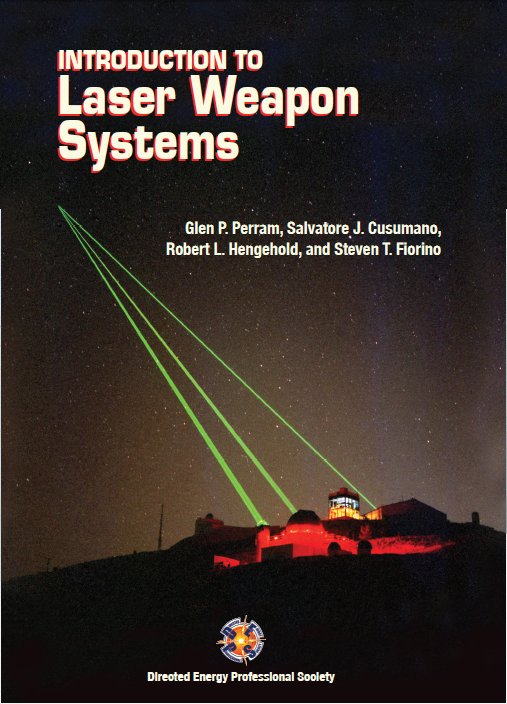
INTRODUCTION TO LASER WEAPON SYSTEMS is the result of an almost 40-year history of graduate studies in high energy lasers and optics at the Air Force Institute of Technology. Book contents are based on a series of short courses for scientists and engineers new to the field of directed energy and, most recently, a 32- hour course entitled Laser Weapons Systems sponsored by the Directed Energy Professional Society, with funding from the High Energy Laser Joint Technology Office. This text covers a broad range of technical disciplines pertinent to high energy laser systems and draws on supplementary material from spectroscopy, chemical kinetics, and optics and laser physics, rendering the material suitable for graduate students as well as working professionals.
About the Authors
Robert L. Hengehold has served on the Air Force Institute of Technology faculty since 1961, teaching in the areas of solid-state physics, laser physics, optical diagnostics, and quantum physics. He has carried out research in experimental solid-state physics, semiconductor physics, optical diagnostics, and laser spectroscopy, authoring over 115 archival publications and 225 conference presentations. Dr. Hengehold served as head of the AFIT Department of Engineering Physics for over 25 years (1983 to 2009) and is a fellow of the American Physical Society.
Glen P. Perram is professor of physics at the Air Force Institute of Technology, having served on the faculty since 1989. As an experimentalist in the area of applied physics, his research interests include high power gas and chemical lasers, and the remote sensing of battlespace combustion events. He teaches graduate courses in quantum mechanics, spectroscopy, lasers, chemical kinetics, space surveillance, and optics. Dr. Perram is a registered professional engineer in the State of Ohio, and retired from active duty in the U.S. Air Force in 2001. He is a fellow of the Directed Energy Professional Society.
Steven T. Fiorino is a research assistant professor of atmospheric physics at the Air Force Institute of Technology, where he has served on the faculty since 2003. As a retired 21-year Air Force meteorologist/ weather officer, his research, teaching, and advising have focused on atmospheric effects on military systems such as high energy lasers and weapons of mass destruction, and the impacts of those effects on remote sensing instruments and algorithms. Dr. Fiorino is the scientific developer of the Laser Environmental Effects Definition and Reference (LEEDR) software package and the atmospheric data used in the High Energy Laser End-to-End Operational Simulation (HELEEOS) model.
Salvatore J. Cusumano is director of the Center for Directed Energy and assistant professor of optical engineering at the Air Force Institute of Technology, both positions held since 2005. As director of the Center, he manages research in high energy lasers (HELs) and high power microwaves (HPMs). Dr. Cusumano teaches graduate courses in electrodynamics and classical and Fourier optics. His research interests span the technologies of directed energy with an emphasis in pointing and tracking, adaptive optics, and beam control. He holds two patents, jointly, in phased array technology.
This course arises from an almost 40-year history of graduate studies in high-energy lasers and optics at the Air Force Institute of Technology. In particular, a series of short courses for scientists and engineers new to the Field of directed energy have been developed as summaries of graduate courses in lasers, optics, spectroscopy, atmospherics, systems engineering, and electro-optics. More recently, the Directed Energy Professional Society, with funding from the High Energy Laser Joint Technology Office sponsored the development of a 32-hour short course entitled Laser Weapons Systems. This textbook parallels the material presented in the course.
This text is primarily intended for scientists and engineers with a bachelor of science degree. However, many undergraduate students and non-degreed technicians often find the more conceptual material valuable. The course emphasizes concepts, terminology, current technology capabilities, and systems concepts. The course does not develop key relationships from first principles. Limitations on the effectiveness of HEL weapons and key performance trade-offs are addressed. Applications of these concepts to current systems include the historical Airborne Laser Laboratory, Airborne Laser, Tactical High-Energy Laser, Advanced Tactical Laser, and Space-Based Laser programs. The course includes a number of extended worked problems, including simplified calculations of weapon effectiveness for a high altitude, long-range, air-to-air engagement and a short-range tactical scenario.
The text covers a broad range of technical disciplines, some at considerable depth, making a reasonable course for graduate students. In a few chapters, the prerequisites in spectroscopy, chemical kinetics, optics, or laser physics may be challenging to the casual reader.
Many faculty members, research staff, and students at the Air Force Institute of Technology have contributed materials and ideas to this work, including William
F. Bailey, Richard Bartell, Matthew Krizo, Matthew Goda, Mark Houle, Michael Marciniak, Won B. Roh, David W. Weeks, J. Jean Cohen, Brian Elliot, Christopher Cummings, Ryan Heap, Jamin McCue, and Victor Velten. In addition, several collaborators from other academic institutions deserve considerable credit, including Paul Merritt, Jerry Clark, Peter Burban, Steven Gollmer, and Otis Wright. In-house editor Taylor Thompson tirelessly compiled, coordinated, and incorporated numerous changes, updates, and improvements. We also thank Sam Blankenship, executive director of the Directed Energy Professional Society for his encouragement and support.
The authors particularly appreciate the comments and revisions suggested by the technical reviewers of this text: John Albertine, John LeWellen, Paul Merritt, Nicholas Morley, Sean Ross, and Don Seeley. Their contributions to the accuracy and clarity of this document were essential.
Finally, a special note of thanks is extended to Ed Pogue, prior director of the High Energy Laser Joint Technology Office, for his vision to involve the military schools in developing high-energy laser modeling and simulation tools. The integration and balancing of the diverse interdisciplinary material is largely a result of our experience in leading the HEL JTO’s laser weapon engagement modeling.